Designing for
Change.
Learn to tackle real-world challenges by working with real people on real problems.
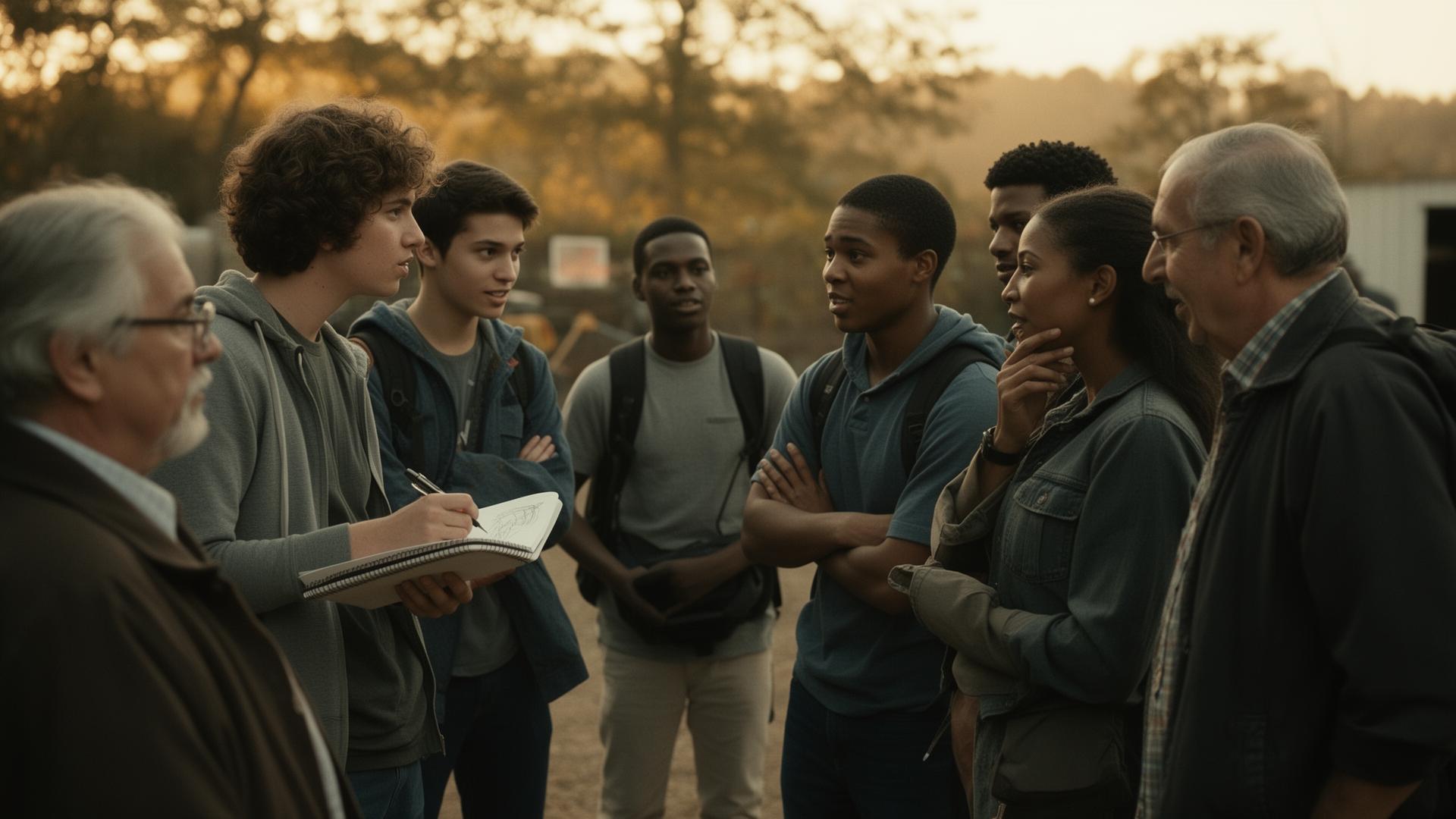
Most education teaches how to solve problems. Few teach how to find the right one.
Engineering programs build extraordinary skill at solving clearly defined problems. They rarely teach how to figure out which problem actually needs solving — or how to understand the people who will live with the answer.
The world does not primarily need more ideas. It needs more people who can understand real needs and turn ideas into meaningful action.
"The technical knowledge usually already exists. What is often missing is a real understanding of people, context and needs."
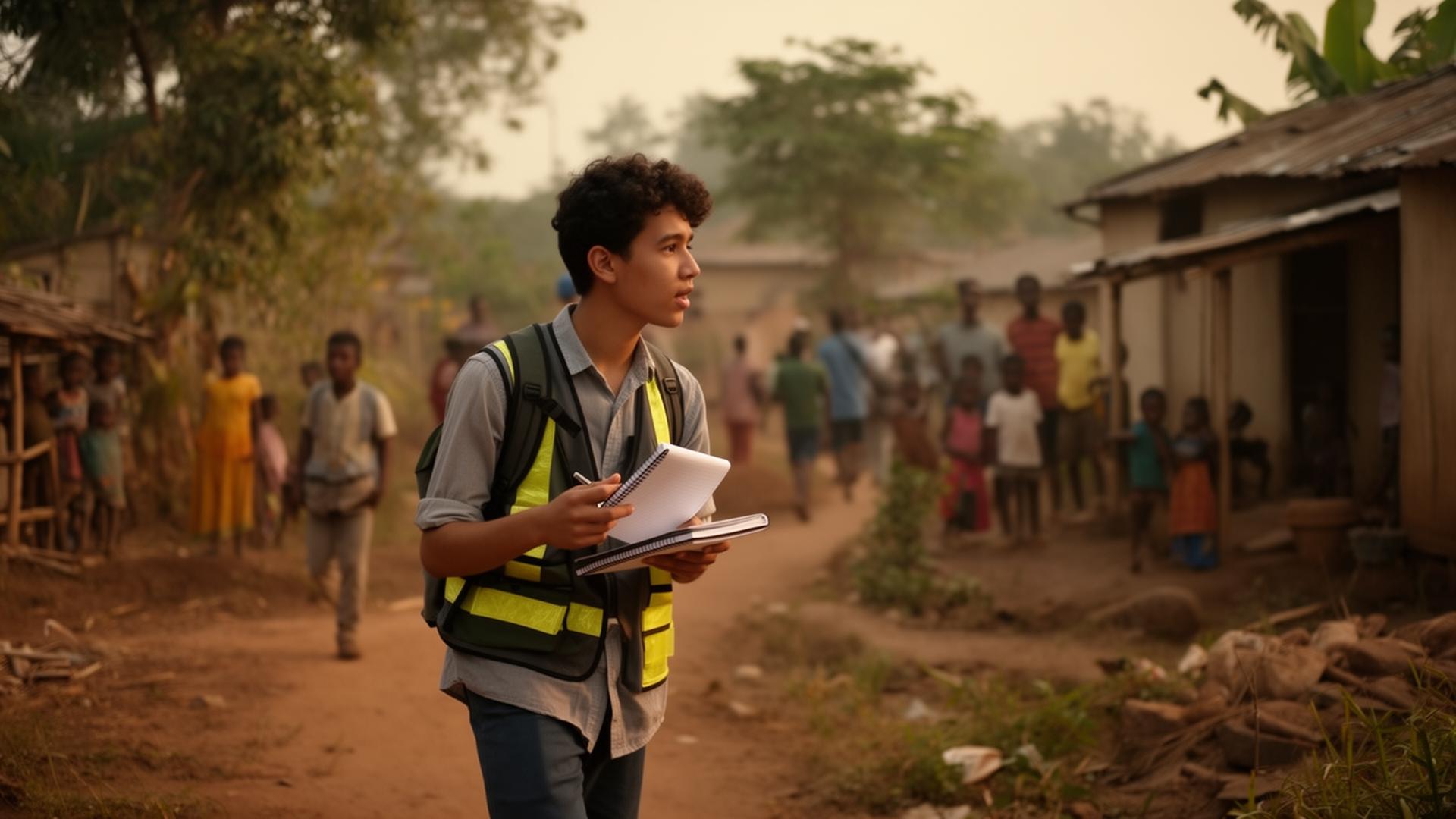
Some skills only develop in the field.
Engineering programs build extraordinary technical depth. What rarely fits into a semester is the slower, messier work of understanding the people those technical solutions are built for. That work has to be practiced somewhere.
- 01Sitting with people long enough to hear what they actually need
- 02Working on a problem that does not come with a clean specification
- 03Communicating across disciplines, languages and lived experiences
- 04Building things that survive contact with the real world
Designing for Change adds the kind of learning that only happens when you step out of the classroom and into someone else's reality.
Four ideas that change how learning happens.
Immersion
Real environments create focus.
Step out of the classroom and the abstract collapses into the concrete. Attention sharpens. Learning becomes unavoidable.
Real people
Real people create meaning.
When the people you are designing for are sitting across from you, every decision carries weight. Empathy stops being a worksheet — it becomes the work.
Practical action
Doing creates understanding.
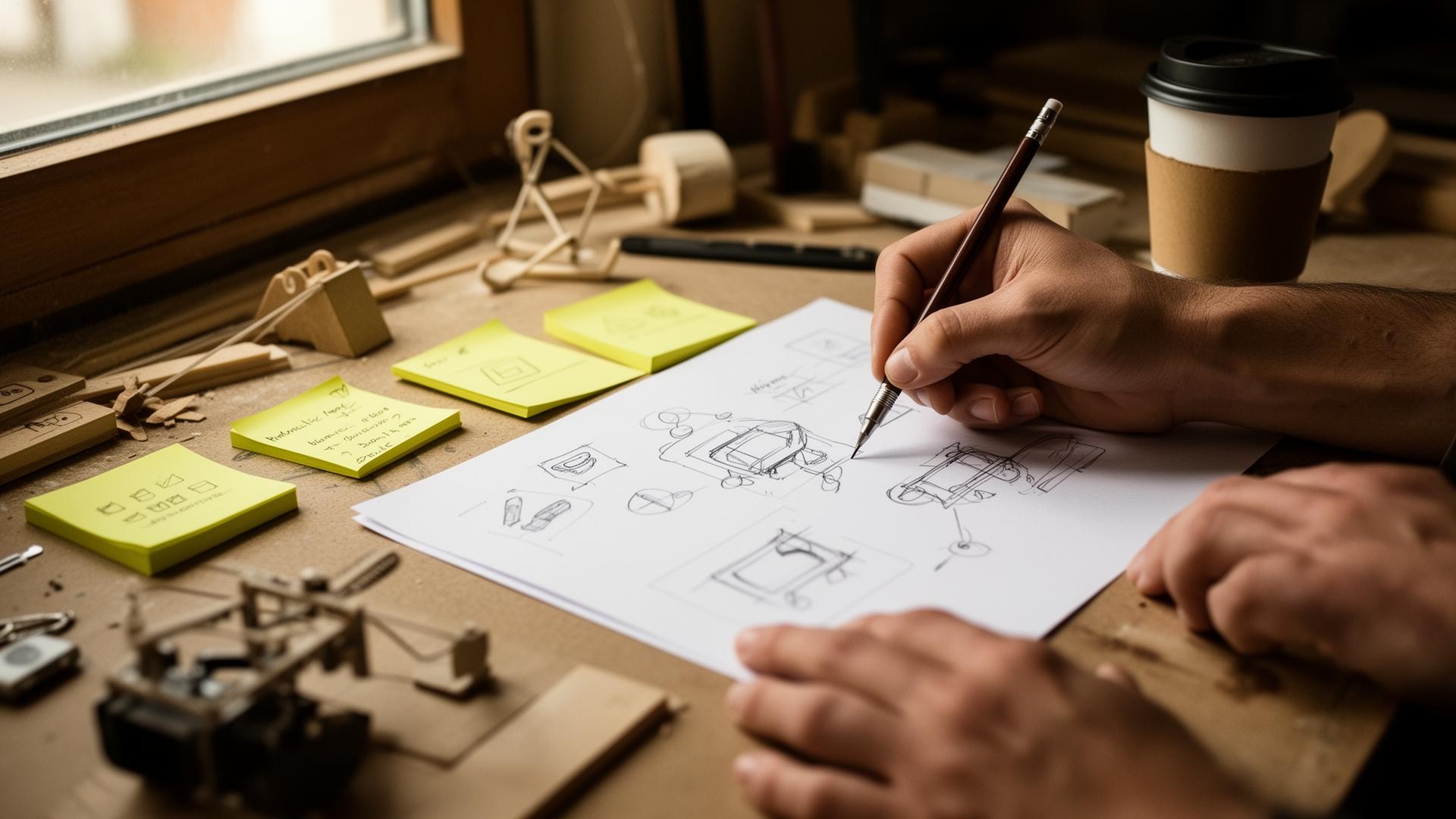
Insight rarely arrives through analysis alone. Interviewing, prototyping, testing, iterating — that is how ideas become real and how minds change.
Reflection
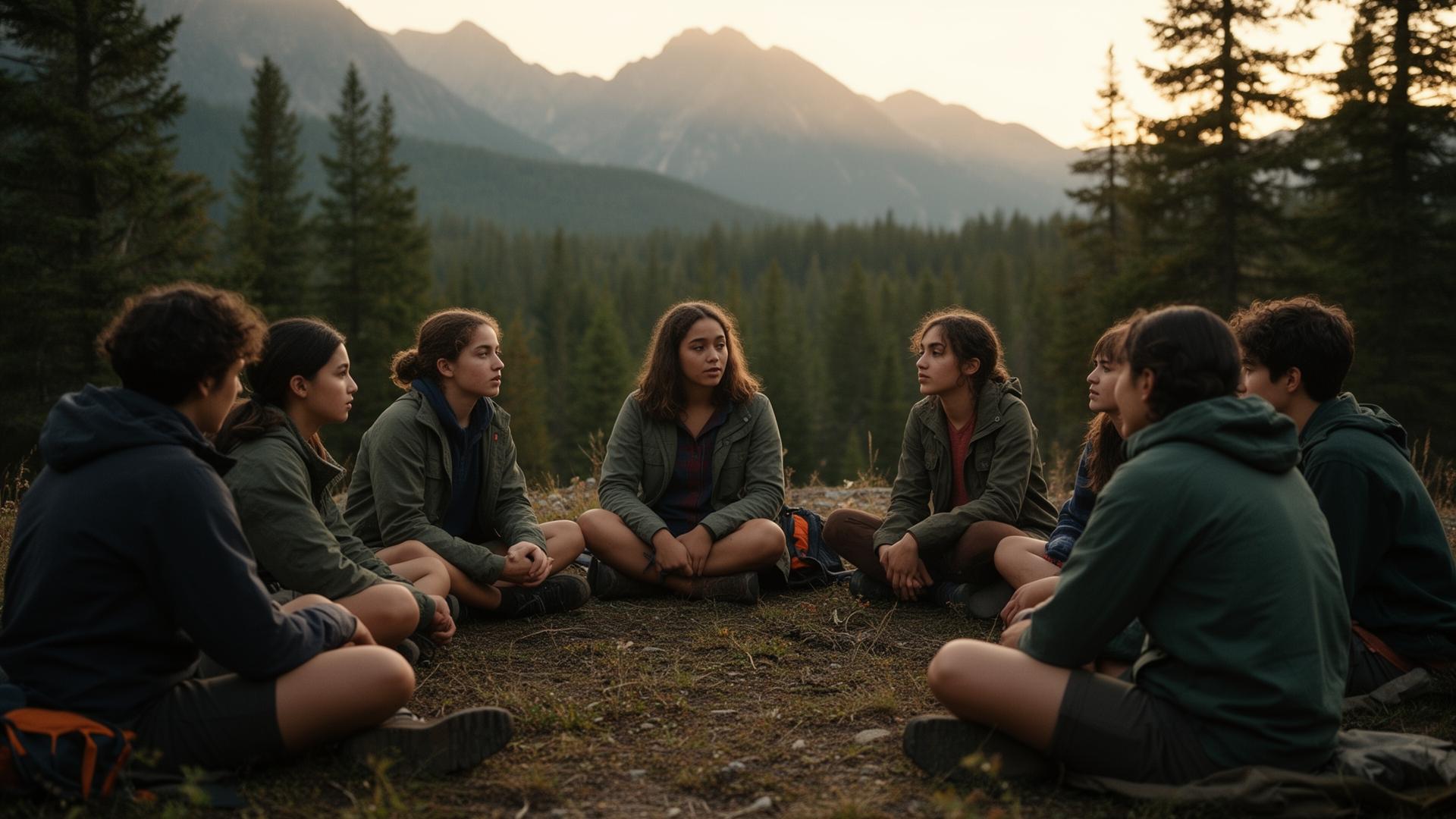
Reflection turns experience into capability.
Without reflection, experience is just a story. With it, experience becomes part of how you think for the rest of your career.
Not a case study. A real challenge, with real people.
During the program you will:
See the full participant journey- 01Meet and learn from real stakeholders
- 02Explore a real-world challenge
- 03Conduct interviews and conversations
- 04Identify needs and opportunities
- 05Work in interdisciplinary teams
- 06Generate, test and refine ideas
- 07Develop practical concepts
- 08Present your work and receive direct feedback
- 09Reflect on your learning and growth
Practical capabilities. Not abstract concepts.
- 01Experience working on a real-world challenge from start to finish
- 02Stakeholder interview and conversation skills
- 03Teamwork across disciplines
- 04Clearer, more confident communication
- 05The ability to frame problems before jumping to solutions
- 06Greater confidence in uncertain situations
- 07A deeper understanding of human-centered approaches
- 08The skill of seeing opportunities where others see only problems
- 09First-hand understanding of how impact happens when solutions are built with people, not just for them
From solving problems to choosing the right ones.
- Solving problems someone else defined
- Optimizing mostly for technical performance
- Limited contact with the people affected
- Working within constraints handed to you
- Understanding the people behind the problem first
- Choosing which problem is actually worth solving
- Working confidently when answers are not obvious
- Building things people actually need
A new program is taking shape.
The first Designing for Change pilot is currently being developed together with external partners. We are co-designing a real-world challenge, identifying stakeholders, and building the immersive learning structure that participants will step into.
We are talking to challenge owners, NGOs, municipalities, universities and supporters right now. If something here resonates, this is the moment.
Help shape the pilot- Challenge area
- To be announced
- Location
- Germany — venue in planning
- Dates
- Forthcoming
- Partners
- Confirmation in progress
Experience becomes capability when it is felt, examined and integrated.
Real learning rarely happens when consequences are abstract. It happens when situations are real, when people are present, and when participants are given the time and structure to make sense of what they encountered.
Help build something engineering education has been missing.
We are building the first pilot program and looking for partners, facilitators, supporters and curious people who want to contribute. There are many ways to be part of what is taking shape.
Start a Conversation